Top 10 Kontent.ai Alternatives for 2026

Storyblok is the first headless CMS that works for developers & marketers alike.
Kontent.ai has positioned itself as one of the more AI-forward platforms in the headless CMS space, built around Expert Agents that can handle multi-step content workflows—restructuring content models, applying SEO best practices, and translating content across markets. That's a genuinely useful capability for large content operations.
That said, Kontent.ai's usage-based pricing can climb quickly at scale, and the platform's enterprise focus can leave smaller teams feeling underserved. Some teams also want more low-level control over content modeling and APIs, or simply need stronger visual editing tools for non-technical users.
If any of that sounds familiar, here are 10 of the best Kontent.ai alternatives for 2026.
1. Storyblok
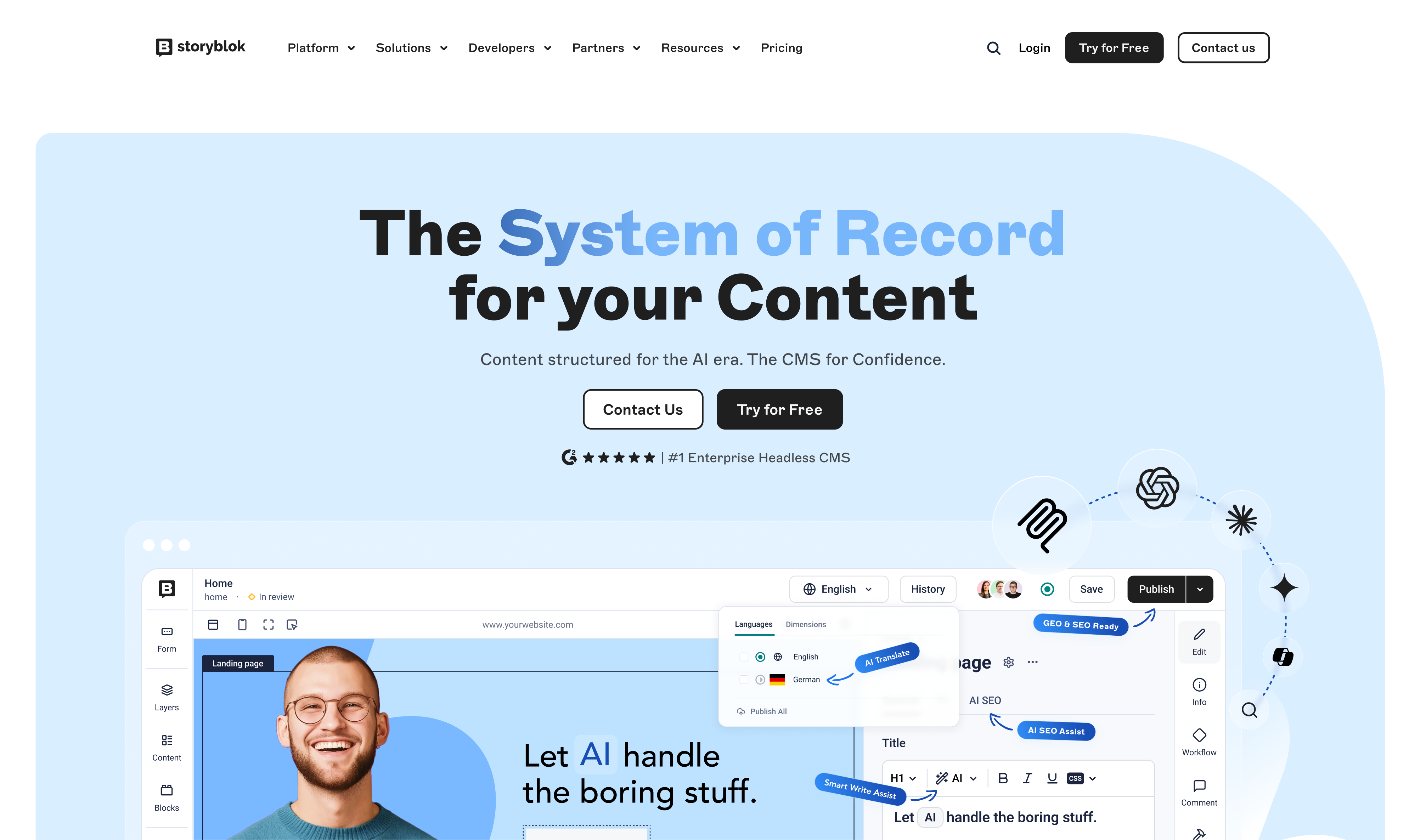
Storyblok is a leading cloud-native headless CMS and a top Kontent.ai alternative for teams that want a genuinely intuitive editing experience built into the core product, rather than layered on as an add-on tool. Its Visual Editor lets marketers and content editors make changes with real-time previews, no separate module required, and no developer sign-off needed for routine edits.
It's frontend-agnostic and built on composable architecture, so any framework, frontend, or third-party tool fits into the stack. Content is structured around reusable, unlimited nestable components, which pairs well with centralized omnichannel management and built-in internationalization as teams scale into new markets and channels. That structure is also what gives teams Content Confidence: content that's consistent, governed, and directly usable by AI agents and AI-driven search, not just human visitors.
Where Storyblok differs most from Kontent.ai is pricing and support model: instead of usage-based costs that can climb unpredictably, Storyblok offers transparent, scalable pricing plans. That's backed by responsive support, a dedicated Helpdesk and thorough documentation, plus a broad Partner Program for teams that want implementation help. Security is enterprise-grade throughout, with ISO 27001 certification, regular penetration testing, and a headless architecture that reduces exposure to the kind of attacks that hit monolithic systems harder. Storyblok is also ranked the #1 Headless CMS in the world on G2, rated by the teams running it day to day.
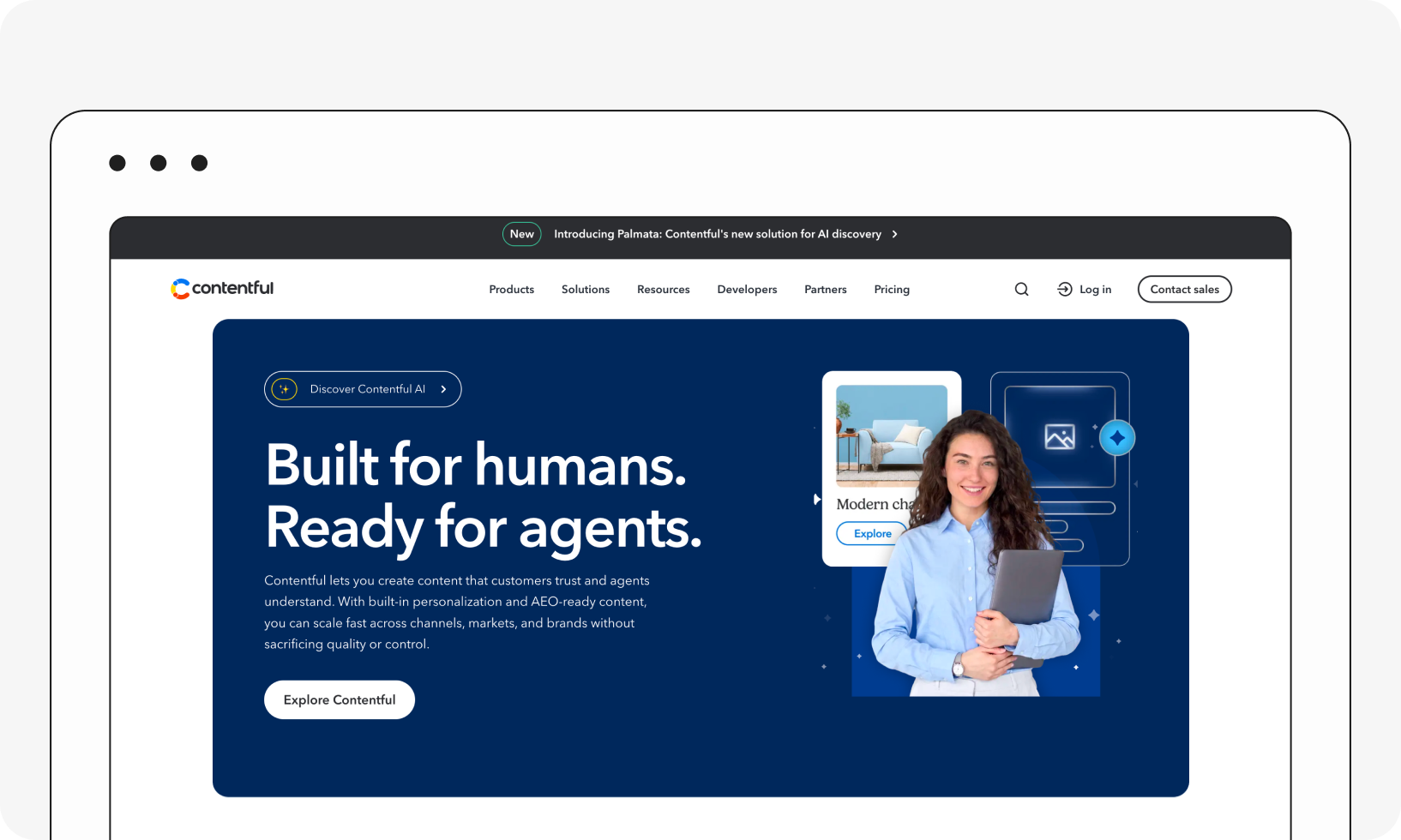
Contentful is the closest enterprise-grade peer to Kontent.ai, with comparable AI-assisted editing tools and personalization capabilities, generally at a higher starting price point. It's frequently the first stop for teams that want deep API-first flexibility and are prepared to invest in the developer resources to use it well. The trade-off is a steeper learning curve for non-technical users compared to more visual-editing-first platforms.
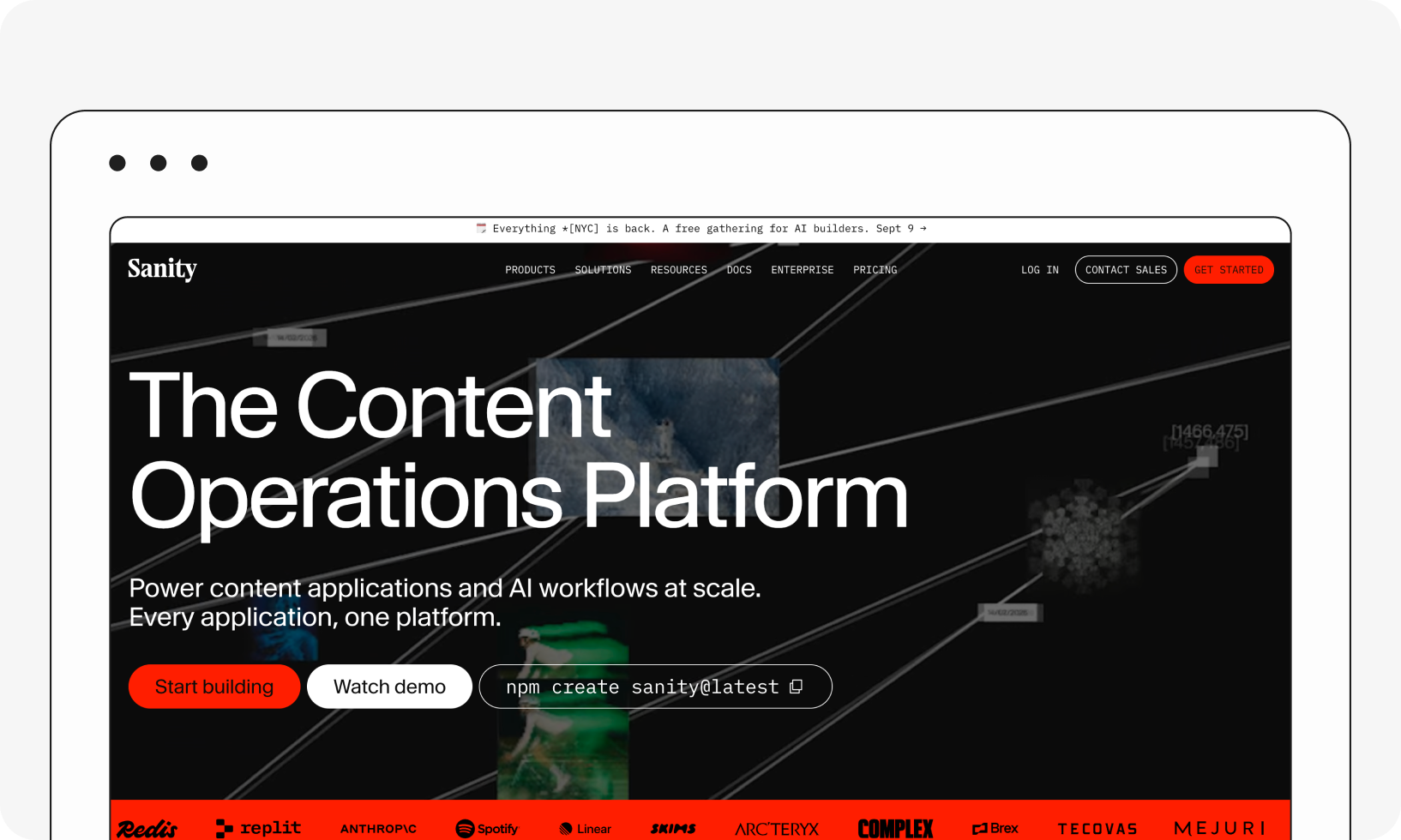
Sanity is consistently cited as one of the strongest choices for developer flexibility and structured content, with a live, real-time preview experience that teams frequently call out as a standout feature. Its free tier is genuinely free forever for smaller projects, which makes it an appealing option for teams that found Kontent.ai's usage-based pricing hard to predict. However, as with most developer-first platforms, it is a heavier lift for non-technical content editors compared to more visual, marketer-friendly tools.
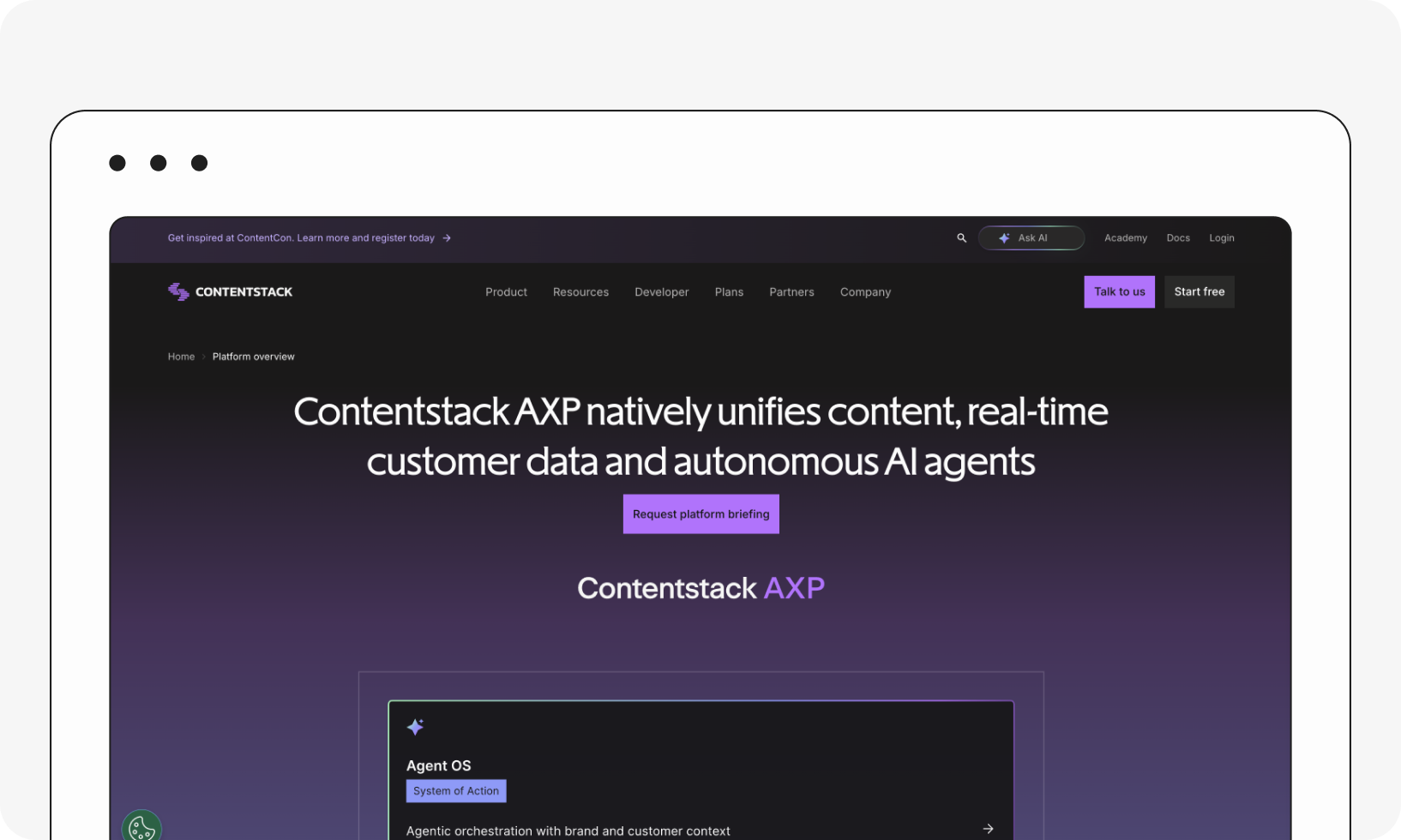
Contentstack offers modular content architecture with solid flexibility and scalability. It's a reasonable Kontent.ai alternative for teams that want similar enterprise governance without Kontent.ai's usage-based cost structure. Though, like Kontent.ai, its own pricing tends to run higher than developer-first or open-source alternatives.
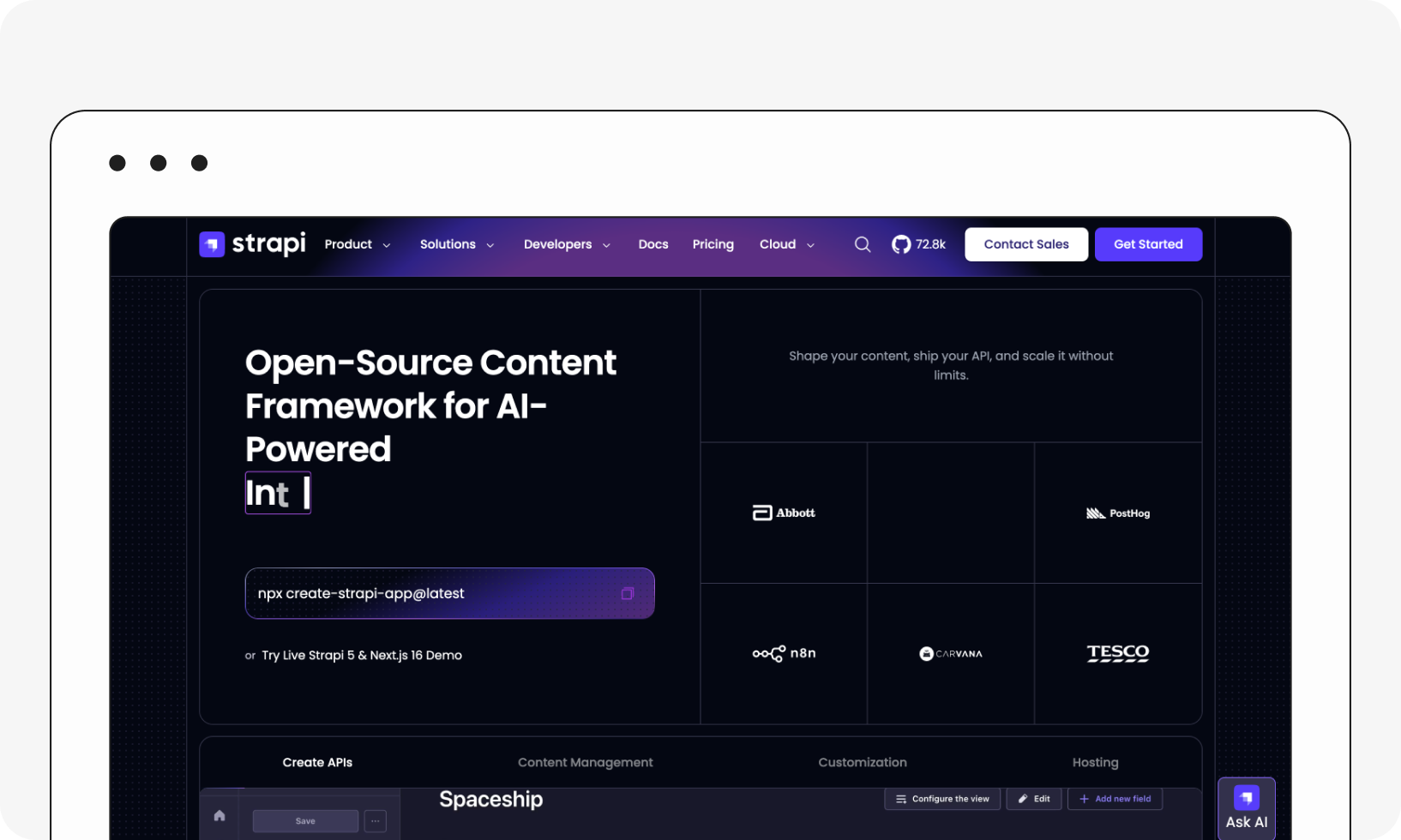
Strapi is an open-source headless CMS that gives teams full ownership and control over their content infrastructure with no licensing cost for the self-hosted core. It's a strong pick for teams that found Kontent.ai's enterprise pricing model restrictive and want to manage their own infrastructure instead. The trade-off is the same one every self-hosted platform carries: more implementation effort and a steeper learning curve for non-technical users than a fully managed, visual-first SaaS platform.

Payload has become one of the standout code-first options for developer-led teams, particularly those building on Next.js, with a TypeScript-native configuration approach and strong reviewer ratings. It's a good fit for teams that want maximum control over their content models and don't mind a development-heavy workflow. It's a less natural fit for marketer-led teams that need to make changes independently.
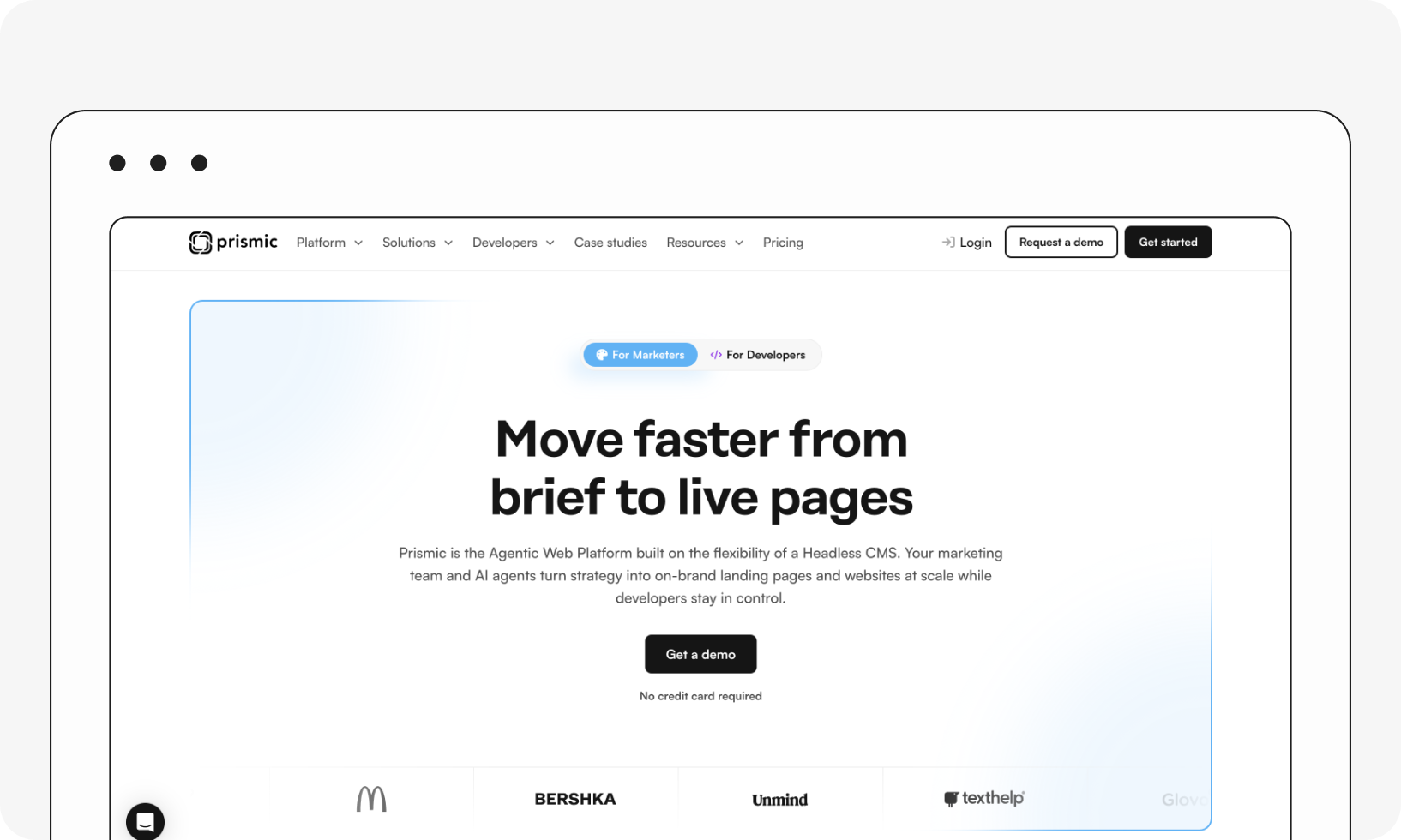
Prismic is a strong choice for teams that want developers and marketers collaborating closely through a page-builder approach to content, using reusable components ("Slices") to assemble pages. It's generally regarded as one of the more intuitive options for non-technical users, though it offers less depth in workflow management and personalization compared to full enterprise platforms like Kontent.ai or Contentstack.
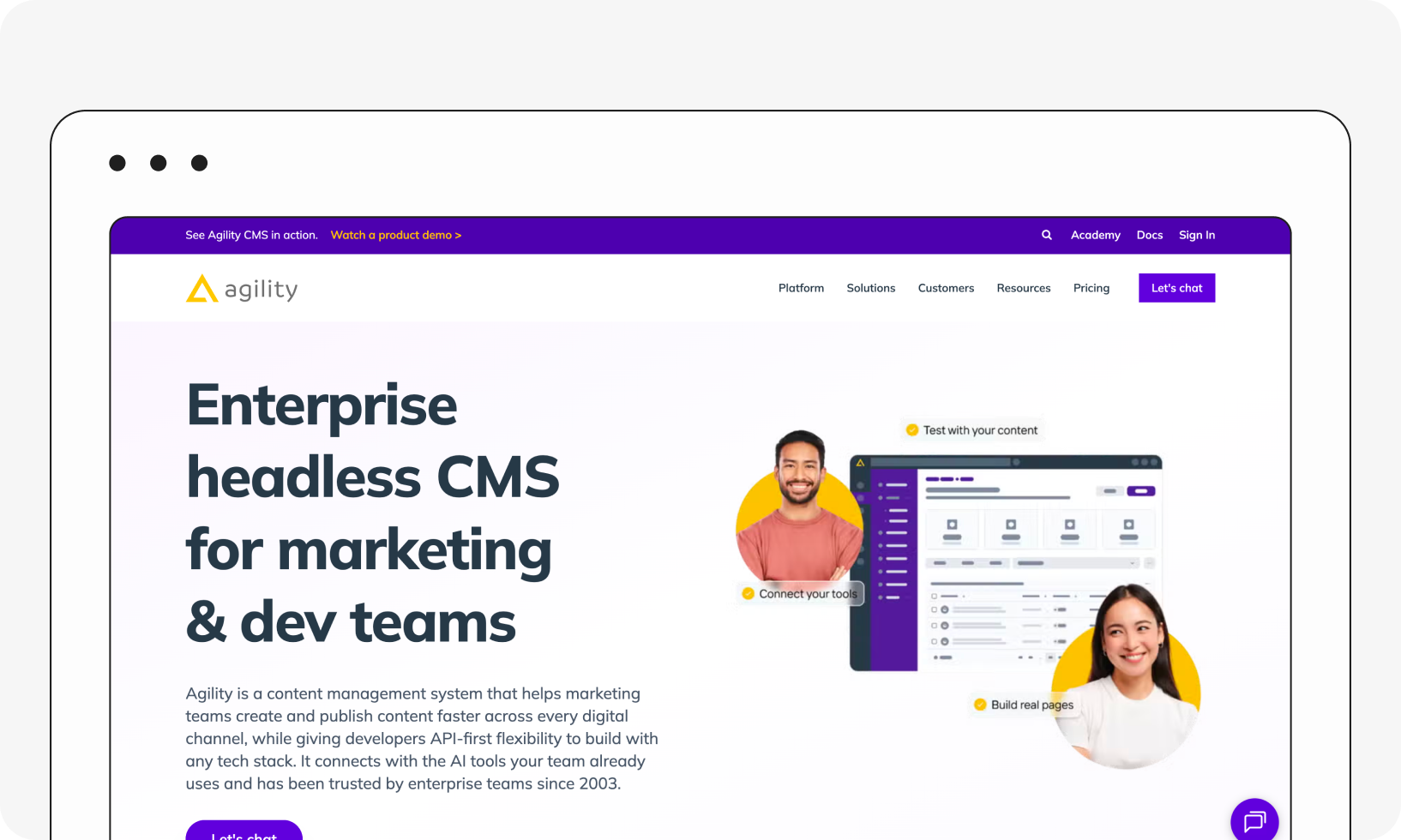
Agility CMS is a cloud-based headless CMS that pairs developer freedom (any frontend framework) with an interface built for non-technical users. It's well-regarded for developer tools, automation, and multilingual content management, with users frequently citing responsive support and strong documentation. Cost is a common concern, though: reviewers consistently note that Agility CMS can be pricey relative to other headless CMS options, particularly for smaller projects.
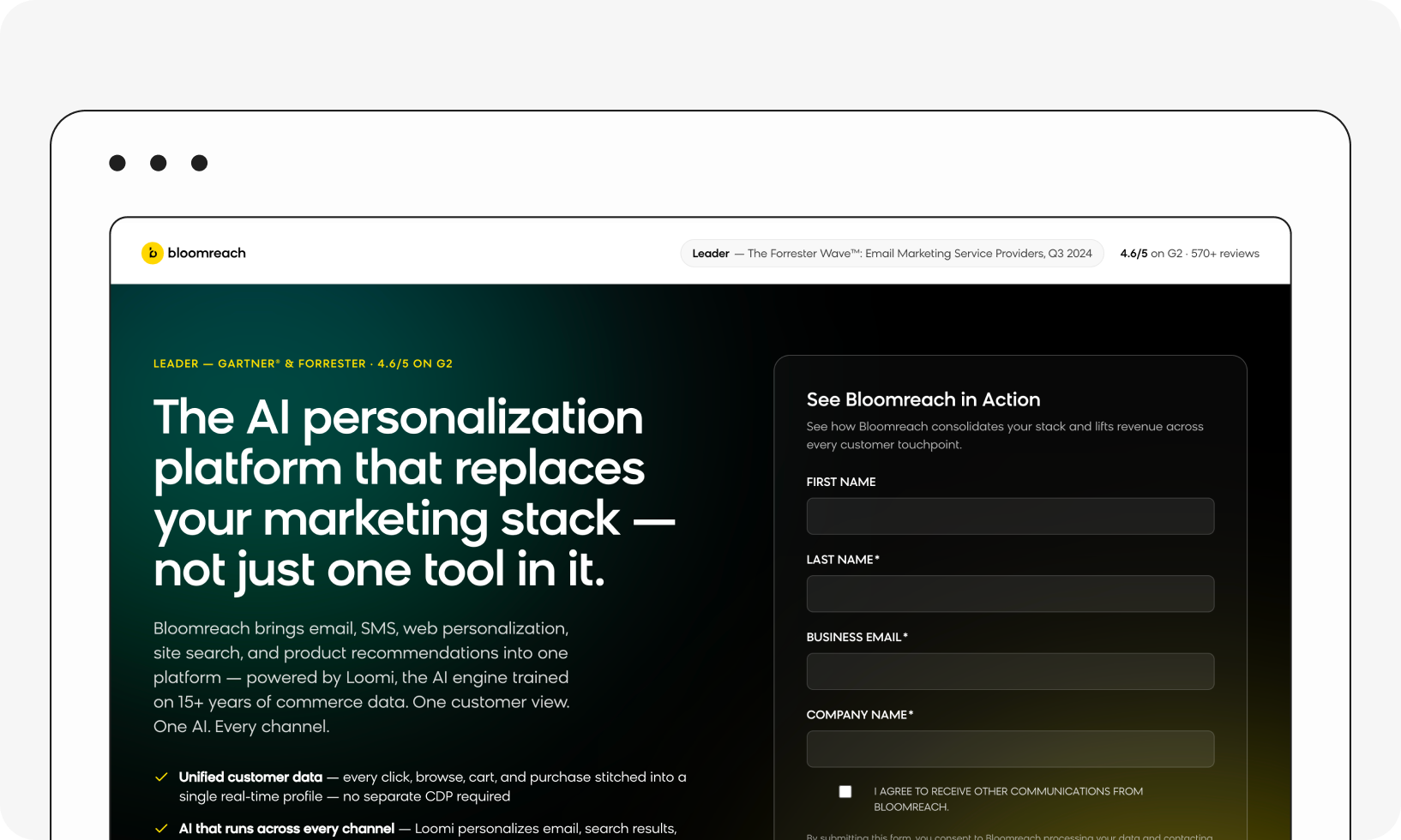
Bloomreach is worth considering if you want AI-driven personalization and commerce capabilities bundled with content management, and don't mind managing a broader, more complex platform to get there. It focuses heavily on enterprise-level commerce experiences, which makes it a less natural fit for teams whose needs are primarily editorial rather than commerce-driven, and implementation tends to require more time and resources than a focused CMS.
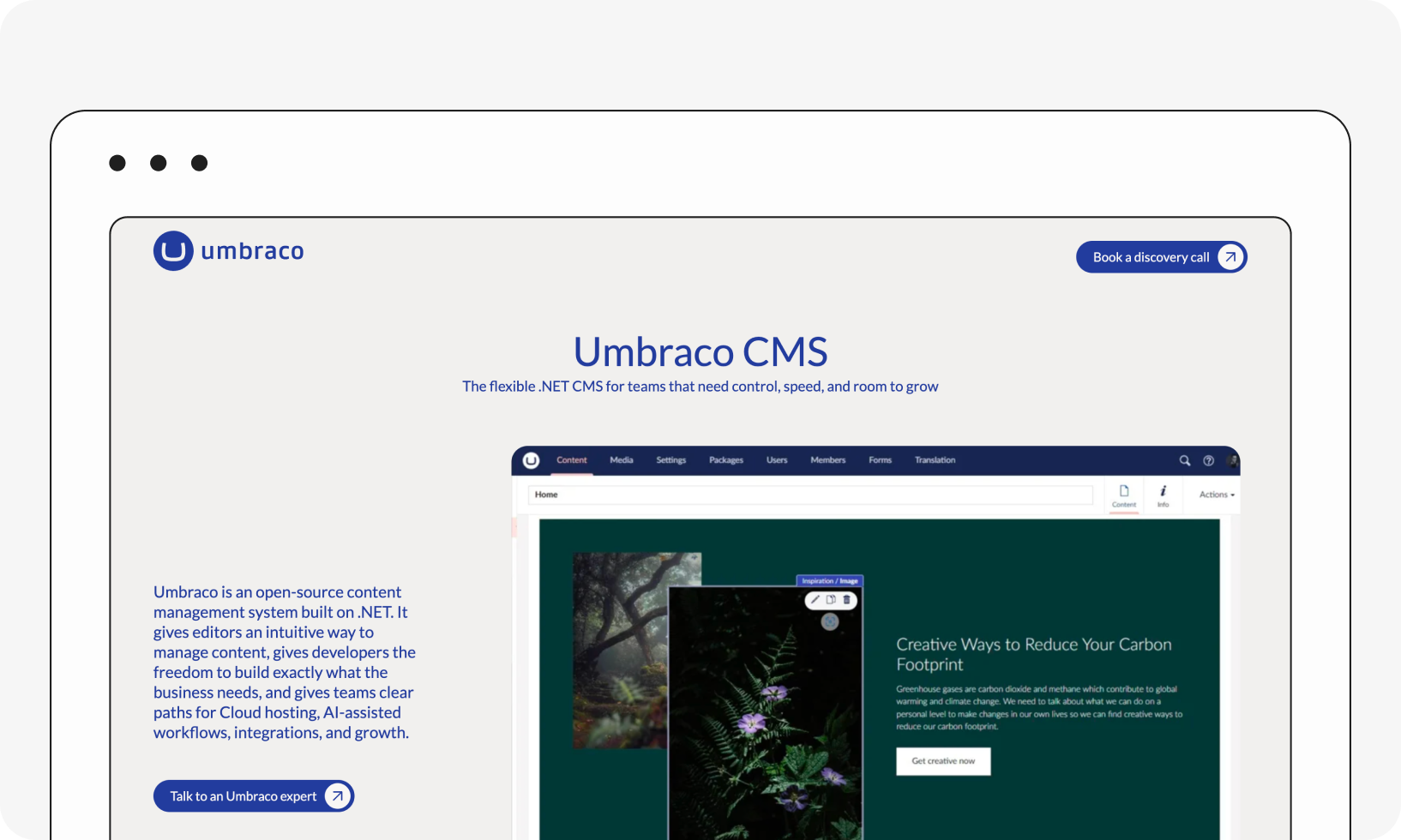
Umbraco is a well-established open-source option, built on .NET, that's frequently recommended for teams that want flexibility without vendor lock-in. It's a reasonable fit for organizations already invested in the Microsoft ecosystem, although, like other open-source platforms, it requires more in-house technical resources to manage than a fully managed SaaS alternative.
What is the best Kontent.ai alternative?
The best Kontent.ai alternative depends on what's driving you away from it. If unpredictable usage-based pricing is the main pain point, Storyblok, Sanity, or Strapi offer more predictable cost structures. If you need to stay at enterprise scale with strong governance, Contentful and Contentstack are the closest peers. And if your team wants more control over infrastructure, Payload, Strapi, and Umbraco are worth a closer look.
As always, take advantage of demos and free trials before committing. Reviews are useful, but hands-on testing is what actually confirms fit.
Frequently asked questions (FAQs)
Is Storyblok a good Kontent.ai alternative for non-technical teams?
Yes. Storyblok's Visual Editor is a core part of the platform, not a separate add-on tool, so marketers and content editors can make changes and see real-time previews without relying on a developer for routine edits.
Which Kontent.ai alternative is best for developers who want full control?
Strapi, Payload CMS, and Sanity are the strongest options here. Strapi is fully open-source and self-hostable, Payload is built for TypeScript/Next.js-first workflows, and Sanity offers deep content structuring flexibility with real-time collaboration.
Do these Kontent.ai alternatives offer more predictable pricing?
Most do. Storyblok, Sanity, Strapi, and Umbraco all offer transparent or free-tier pricing structures that are easier to predict than Kontent.ai's usage-based model. Contentstack and Contentful tend to scale similarly to Kontent.ai at enterprise volume.
Which alternative is best for teams that want to self-host?
Strapi and Umbraco are the strongest self-hosted, open-source options. Strapi runs on Node.js/JavaScript, while Umbraco is built on .NET, making it a natural fit for teams already in the Microsoft ecosystem.
How do I migrate from Kontent.ai to a new CMS?
The process generally involves exporting your content model and entries via Kontent.ai's API, mapping that schema to your new platform's content structure, and re-pointing your frontend's API calls. Most platforms, including Storyblok, offer migration support and documentation—worth asking about during a demo.
Is Kontent.ai shutting down or being acquired?
No. As of 2026, Kontent.ai continues to operate and actively develop its platform, including its Expert Agents and AI-driven content tooling. Teams migrate away typically over pricing fit or feature needs, not platform stability.
What's the biggest factor in choosing between these alternatives?
Whether you prioritize ease of use, developer control, or enterprise governance. For editorial ease of use and predictable cost, Storyblok or Prismic are strong picks. For developer control, look at Strapi, Payload, or Sanity. For enterprise-scale governance similar to Kontent.ai, Contentful or Contentstack are the closer fit.