Top 10 Prismic Alternatives for 2026

Storyblok is the first headless CMS that works for developers & marketers alike.
Prismic is a headless, slice-based CMS best known for letting marketers assemble pages from developer-built components without touching code. It's still well-regarded for that specific workflow, but users continue to point to a smaller integration ecosystem, gaps in documentation for advanced use cases, and a learning curve around Slice Machine as reasons to look elsewhere.
We've compiled a list of the top 10 Prismic alternatives for 2026. Each has different strengths that make them better suited to different use cases. Read on to learn about your options and find the best fit for your organization.
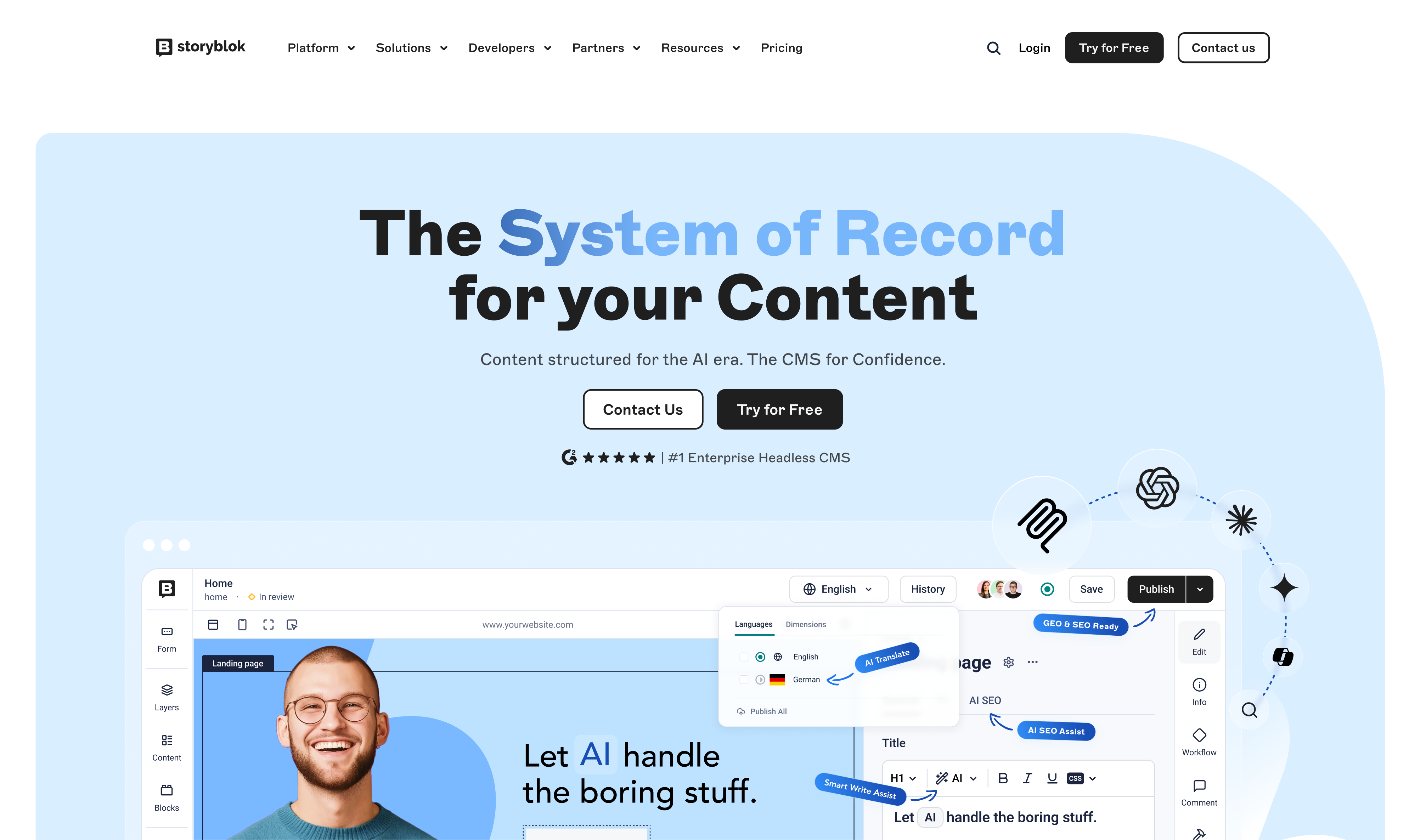
Storyblok is a cloud-native headless CMS built to support modern content across multiple channels:
- Ease of use. The Visual Editor is designed so both developers and content creators can be productive from day one, content editors don't have to rely on developers for every change, which cuts onboarding and training costs and gets new hires contributing faster than on more code-first platforms.
- Clear, transparent pricing. Storyblok's plans are structured so businesses know exactly what they're paying for and aren't stuck paying for capacity or seats they don't need, a common complaint about usage-based pricing at competitors like Contentful and Sanity as usage scales.
- Reliable support. A responsive support team and an active community mean help is available when something breaks, rather than waiting in a ticket queue.
- Independently validated leadership. Storyblok is ranked the #1 Headless CMS in the world on G2, based on reviews from the people actually using it day to day, not vendor briefings or analyst calls.
- Future-proof architecture. Storyblok's composable, frontend-agnostic setup is designed to adapt as new frameworks, channels, and technologies emerge, rather than locking teams into today's stack. Because content stays structured and headless by design, teams get Content Confidence: content that's trustworthy and directly usable by AI agents as AI-driven search becomes a bigger part of how content gets discovered.
Storyblok also has a well-structured learning hub and a large partner ecosystem, making it a strong fit for teams who liked Prismic's marketer-friendly philosophy but want more room to scale, clearer economics, and evidence to back up the investment case.
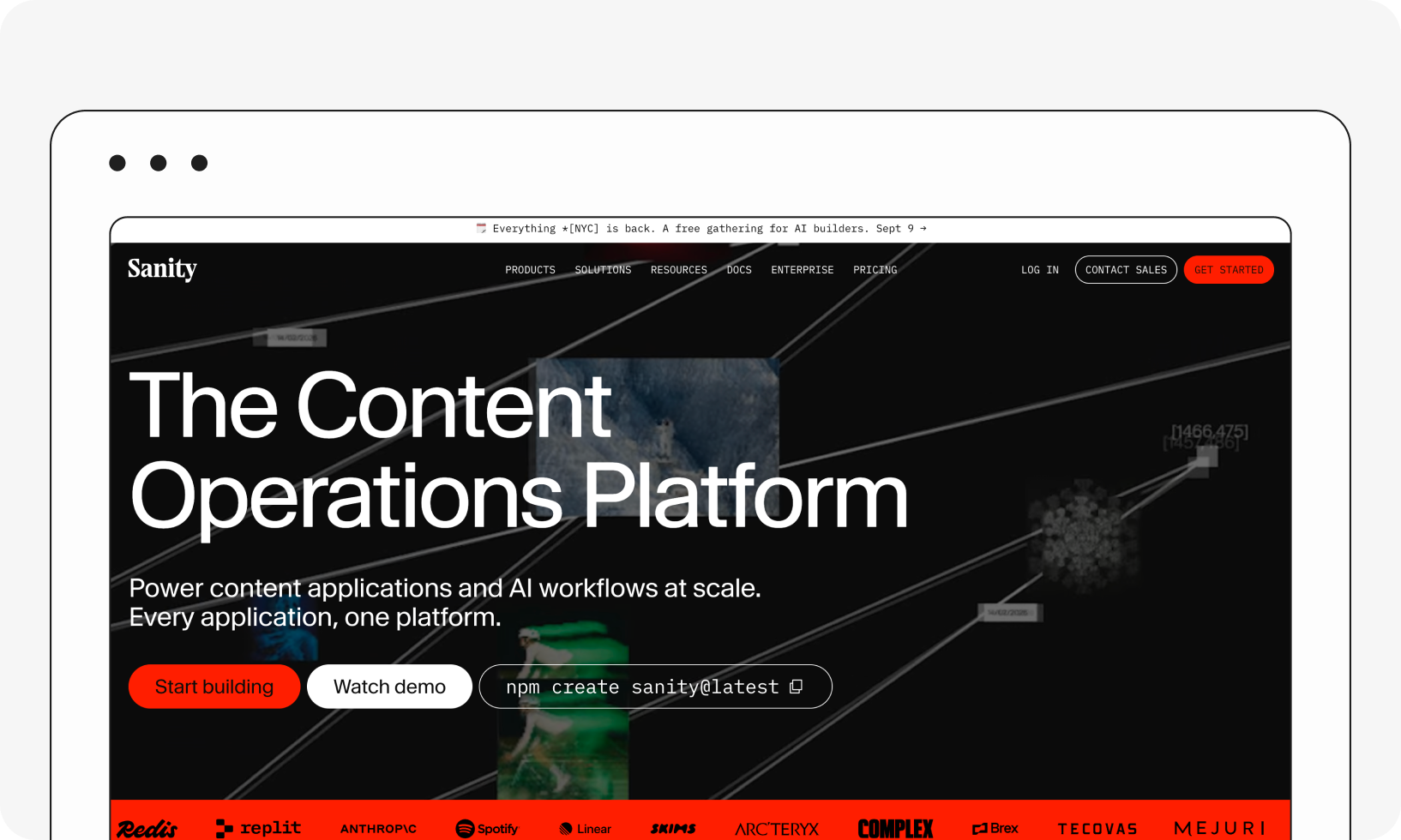
Sanity remains one of the most frequently recommended Prismic alternatives, and it's consistently ranked as the top overall pick on review sites like G2. Its Studio is fully customizable in code, content modeling is highly flexible, and its real-time collaboration features are a step up from Prismic's. However, Sanity has a steeper learning curve and expects more technical comfort than Prismic's slice-based approach.
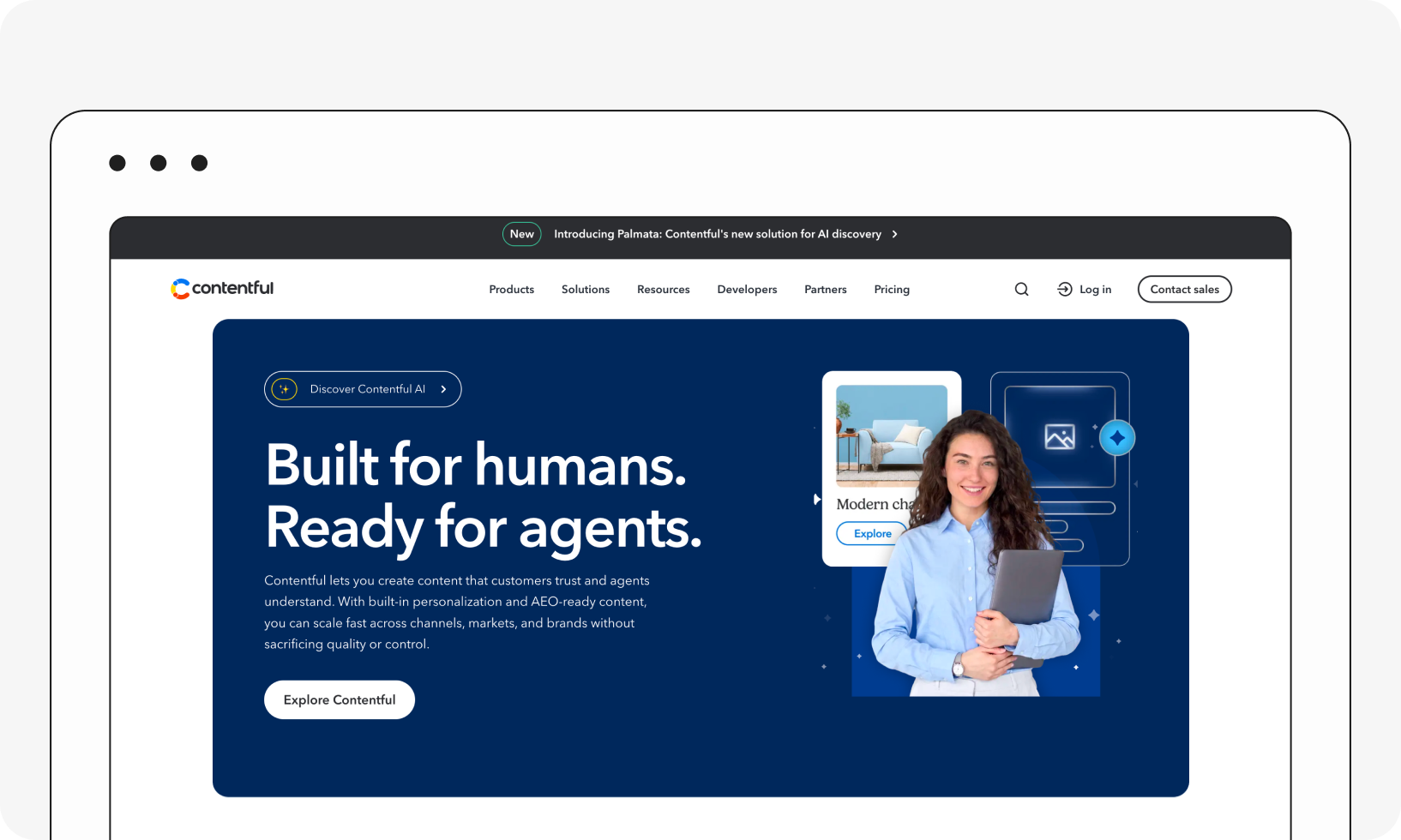
Contentful is a compelling Prismic alternative for larger, enterprise-level projects. It offers extensive content modeling, a mature GraphQL API, and a large marketplace of integrations and add-ons like Compose and Launch. It's a safer pick for organizations that need proven reliability at scale, but pricing can be a real drawback for smaller teams, and the learning curve is steeper than Prismic's.
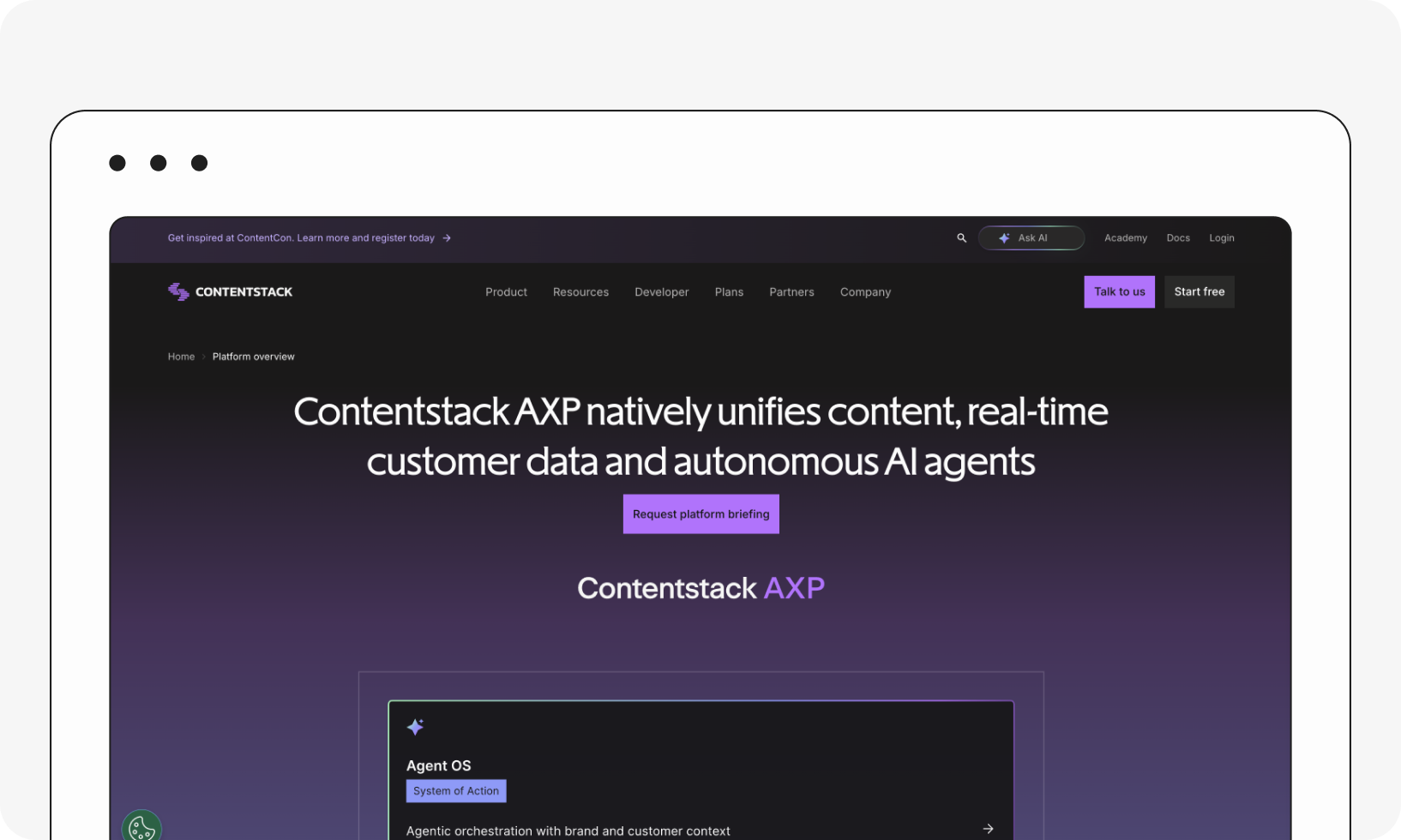
Contentstack is an enterprise-grade headless CMS that regularly appears alongside Sanity, Contentful, and Storyblok on independent "Prismic alternatives" lists. It offers strong content versioning, approval workflows, role-based access control, and enterprise security features (SSO, encrypted content store). It's a solid choice for larger organizations with complex governance needs, though, like Contentful, it comes with enterprise pricing and more setup overhead than Prismic.

Payload has moved from a niche self-hosted option to one of the most-recommended CMSs for Next.js teams. It's open-source, TypeScript-native, and code-first. Every collection and field is defined directly in your codebase, with the admin panel shipping inside your own app rather than living on a separate vendor domain. It has been gaining considerable traction, with tens of thousands of GitHub stars and adoption at companies including Microsoft, ASICS, and Blue Origin. The tradeoff versus Prismic: hosting and ops are on your team, and the out-of-the-box editorial UI is more minimal until you invest in customizing it.
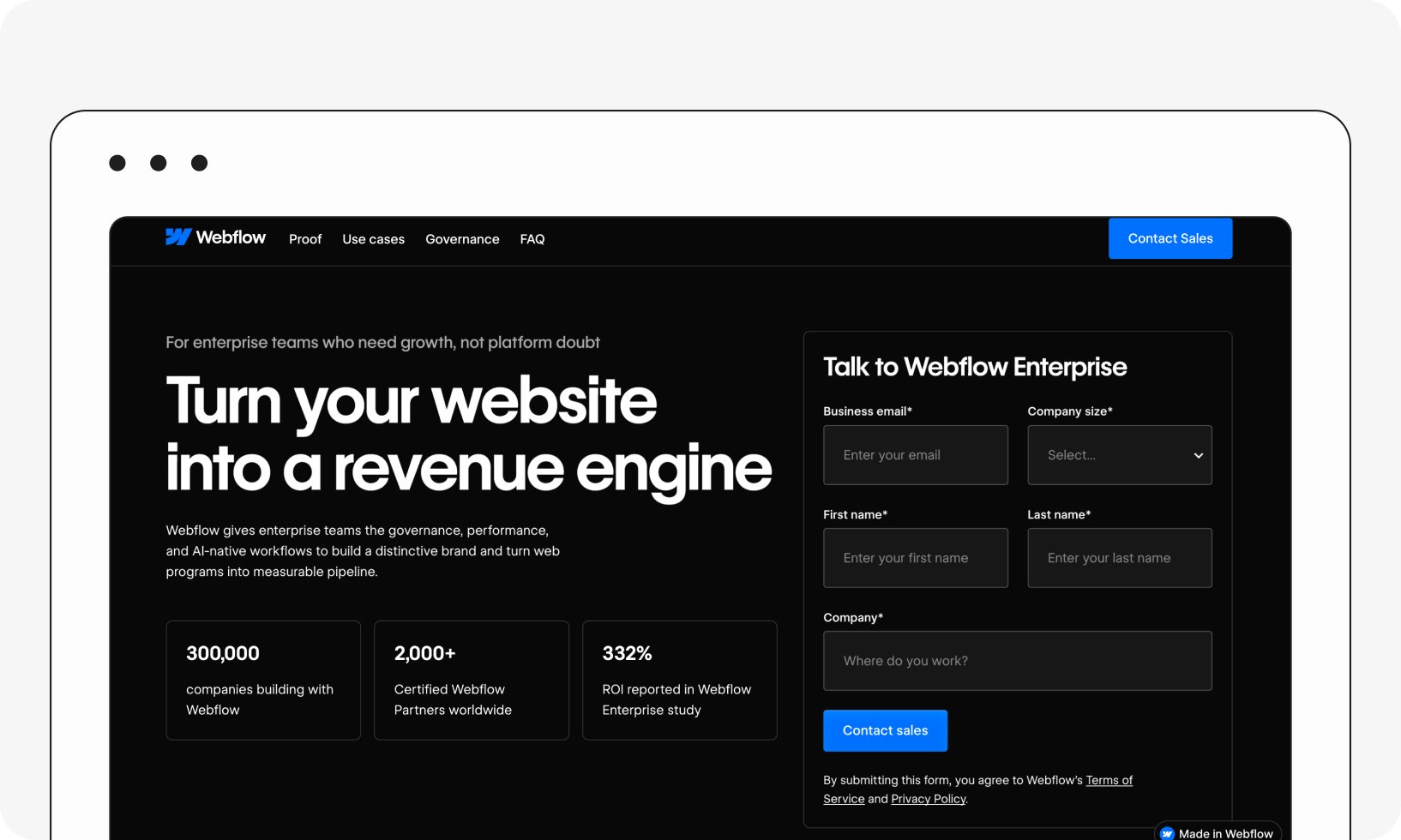
Webflow is a strong pick for teams that want a visual, no-code website builder rather than a pure headless CMS. It offers an intuitive drag-and-drop interface plus built-in hosting, making it attractive for marketing and design teams. It lacks some of Prismic's advanced content modeling—custom content types and multi-language management are more limited—and pricing can run higher than Prismic's at scale.
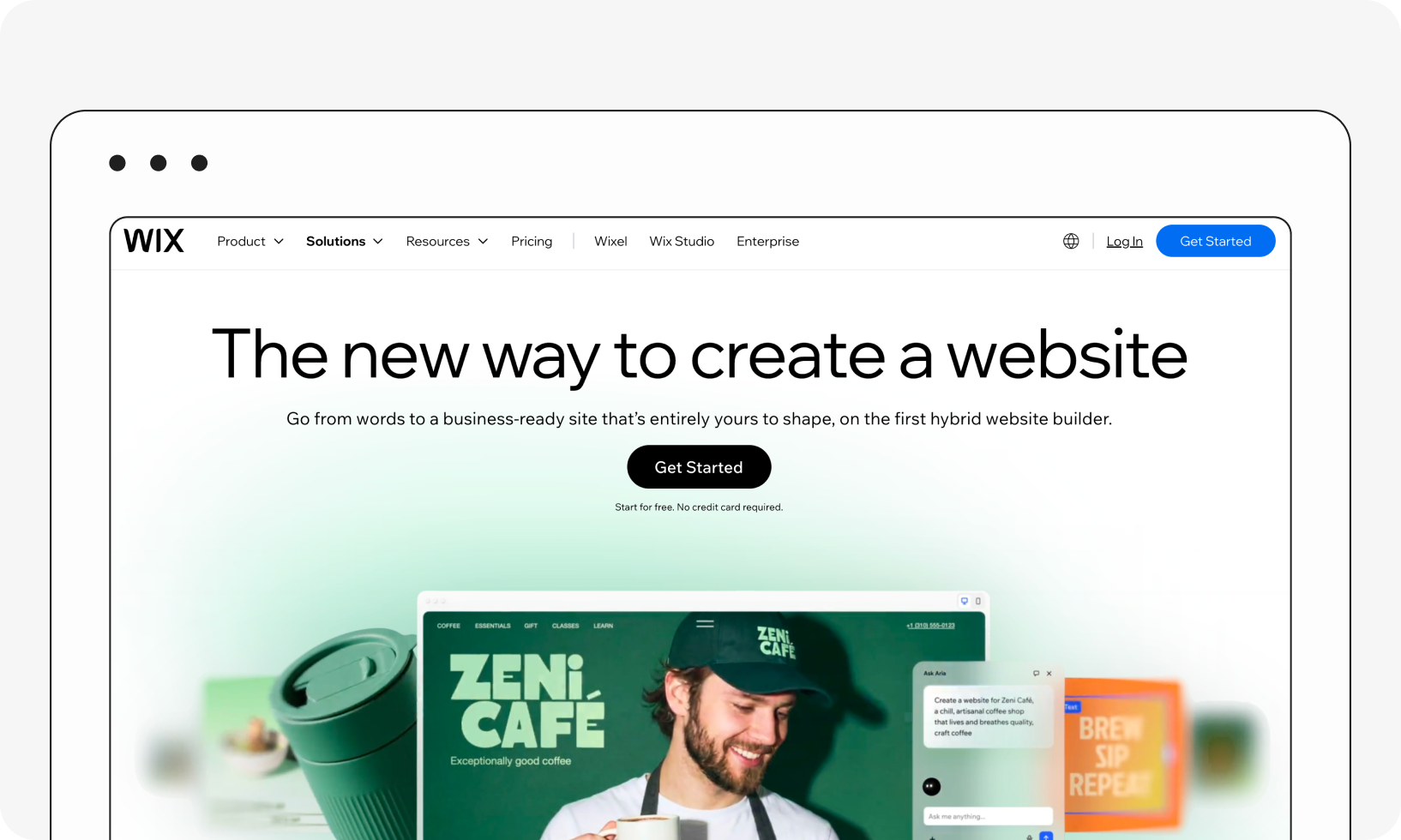
Wix is a good option for beginners and non-technical users who want an all-in-one page builder rather than a headless CMS. It offers a wide range of templates and drag-and-drop customization. Compared to Prismic, it has more limited content management capabilities and isn't a natural fit for complex or enterprise-level projects.
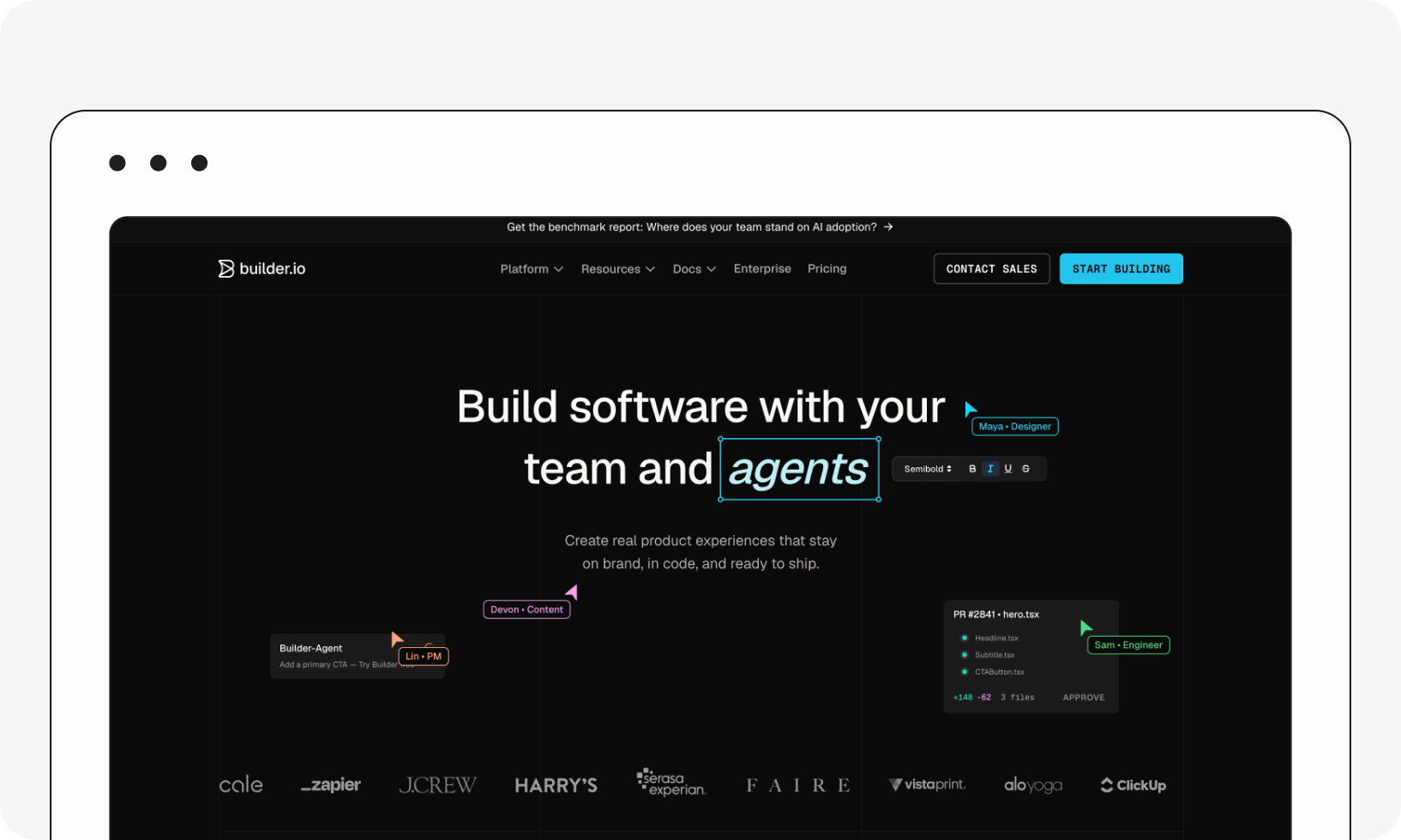
Builder.io is a strong pick for teams that want AI-assisted visual editing without giving up code quality. Unlike page builders that output proprietary markup, Builder.io's editor generates clean, production-ready framework code (React, Vue, Angular, Svelte) from drag-and-drop composition, Figma frames, or plain-language prompts. Developers register their own design-system components, and marketers assemble pages from those real components, which is a similar philosophy to Prismic's slices, but with AI-generated sections and Figma-to-code built in. It's rated well by reviewers (4.5/5 on G2), though pricing scales with page views and editor seats, and teams without a clean, well-governed component library can end up with inconsistent output as more non-developers start editing.
Hygraph (formerly GraphCMS) is the GraphQL-native alternative to Prismic's REST/GraphQL hybrid approach. It's built from the ground up around GraphQL, which makes it a strong choice for teams standardizing their entire data layer on GraphQL, and it's frequently cited by G2 reviewers as offering better support than Prismic. It has a smaller plugin ecosystem than older incumbents like Contentful, and teams not already committed to GraphQL may not see the benefit.
WordPress remains the industry's largest CMS by user base, with an enormous library of plugins and themes and a familiar content-editing experience. It can still feel overwhelming for beginners on more advanced customizations, and it carries more maintenance and security overhead than a managed headless platform like Prismic if it isn't kept up to date.
Which is the best alternative to Prismic?
There's no single "best" Prismic alternative. It depends on your team and priorities. If you want Prismic's marketer-friendly, component-based approach with more room to scale, Storyblok or Builder.io are the closest fit. For enterprise governance needs, Contentful or Contentstack make more sense. Developer-led teams building on Next.js increasingly choose Payload, while Webflow and Wix are better suited to no-code site building rather than a true headless CMS. The best way to decide is to map these strengths against your own requirements and try a demo or free trial before committing.
Frequently asked questions (FAQs)
What is the difference between Storyblok and Prismic?
Both are headless CMSs, but Storyblok's Visual Editor lets non-technical users create and edit content without relying on developers, while still giving developers a composable, API-driven architecture underneath. Storyblok also offers multilingual support, version control, a broad partner/app ecosystem, and, unlike Prismic, an independently validated ROI case (Forrester's 582% three-year TEI study).
What is the difference between Contentful and Prismic?
Contentful takes a flexible, API-first approach aimed at larger enterprise projects, with a bigger integration marketplace. Prismic is generally more approachable for smaller teams thanks to its slice-based page-building model, but has a smaller ecosystem.
What is the difference between Prismic and Sanity?
Prismic offers a more structured, guided approach to content modeling via Slice Machine, which is easier for non-technical users to pick up. Sanity trades some of that guidance for far more flexibility in content modeling, plus real-time collaboration in its Studio.
What is the difference between Prismic and Builder.io?
Both let marketers assemble pages from developer-built components, but Builder.io adds AI-generated page sections and Figma-to-code conversion on top of that model, and outputs standard framework code (React, Vue, etc.) rather than relying solely on a proprietary component system.
Is Payload a good fit if my team isn't very technical?
Not really. Payload is code-first and TypeScript-native, so it's a better fit for developer-led teams. Prismic, Storyblok, Builder.io, or Webflow are better matches if content creators need to work independently without touching code.
Is Prismic a SaaS?
Yes. Prismic is a cloud-based, subscription SaaS CMS. Users access its content management functionality entirely through the internet, with no on-premises installation required.