Six Headless Commerce Examples You Should Know About in 2026

Storyblok is the first headless CMS that works for developers & marketers alike.
If you're looking for more flexibility, faster launches, and the freedom to build on any channel you want, you've probably come across headless commerce already. It's not just buzz either: 22% (opens in a new window) of retailers have already implemented headless architecture, and another 63% (opens in a new window) plan to within two years.
But what does that actually look like once it's live? Below are six brands, from a Swiss watch retailer to a 50-year-old British fashion house, that made the switch and can point to real numbers because of it.
The headline numbers
- 35% faster content publishing for a company managing 15 brand sites at once
- 167% more orders for an activewear brand that expanded into 120 countries
- A 50% faster website for a 50-year-old fashion label
- Nearly doubled organic traffic for a beauty brand within a month of launch
- A mobile app built in 7 weeks for a luxury watch retailer
- 300,000+ new users for a spirits brand entering a new country in two months
If you're new to headless, start by reading Headless CMS Explained.
1. Primo Brands
Chronext's headless application
Headquarters: Tampa, Florida | Stack: Adobe Commerce, Storyblok
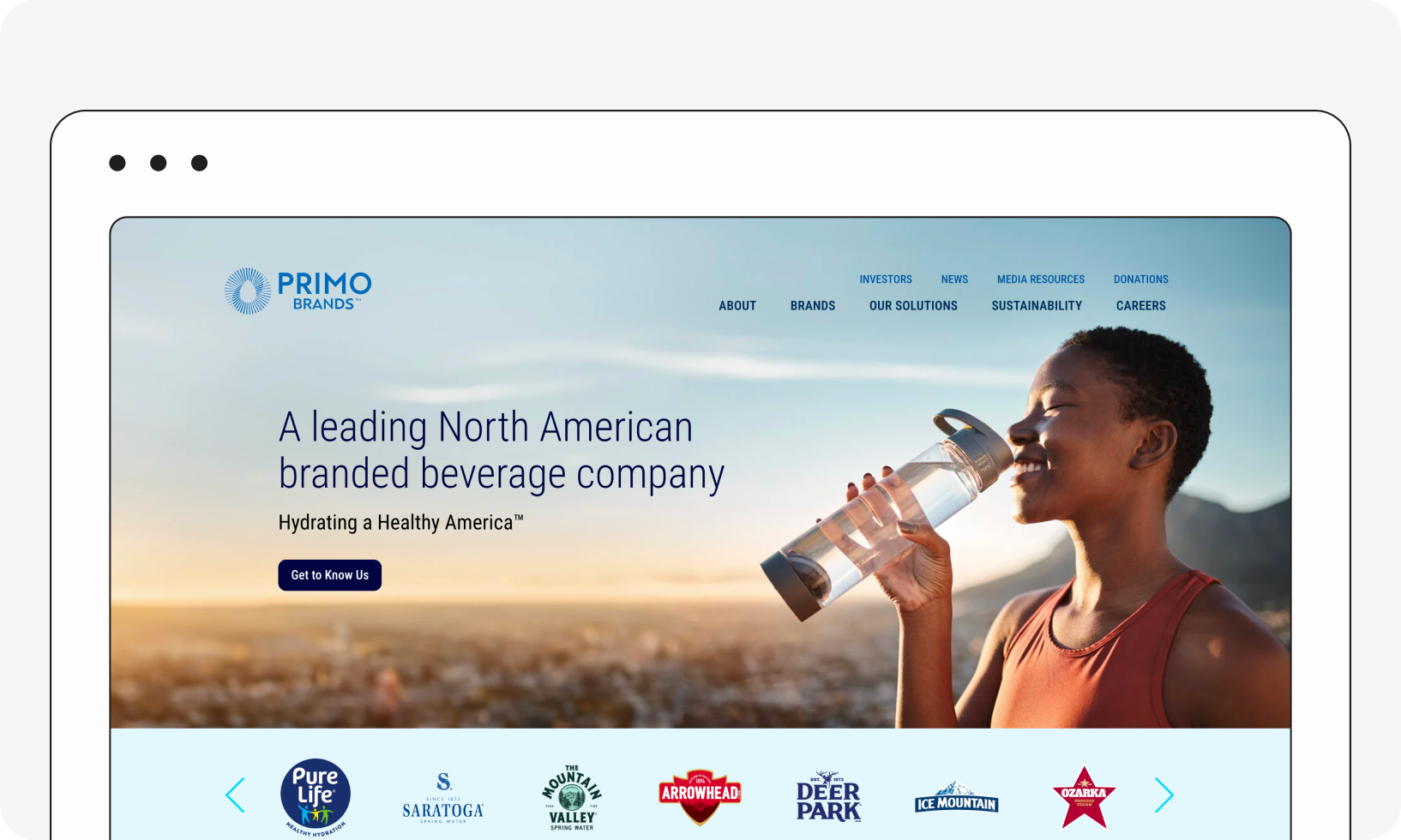
Primo Brands makes bottled water and hydration products, and it had grown to 15 separate brands, each running its own website. That meant 15 different logins, 15 sets of inconsistent branding, and a marketing team stuck filing developer tickets for something as small as swapping a banner.
Working with agency Elevate Digital, Primo consolidated everything into a single hub at water.com, built on Storyblok with Adobe Commerce underneath and a zip code-based personalization layer on top, so visitors see the right products and pricing for their location automatically.
The results:
- 15 brand sites merged into one, with zero loss in search rankings
- Content updates now ship 35% faster
- Marketing can publish pages without pulling in a developer
- Sales performance is outpacing every historical benchmark since launch
2. Chronext
Oatly's website
Headquarters: Zug, Switzerland | Focus: iOS app development
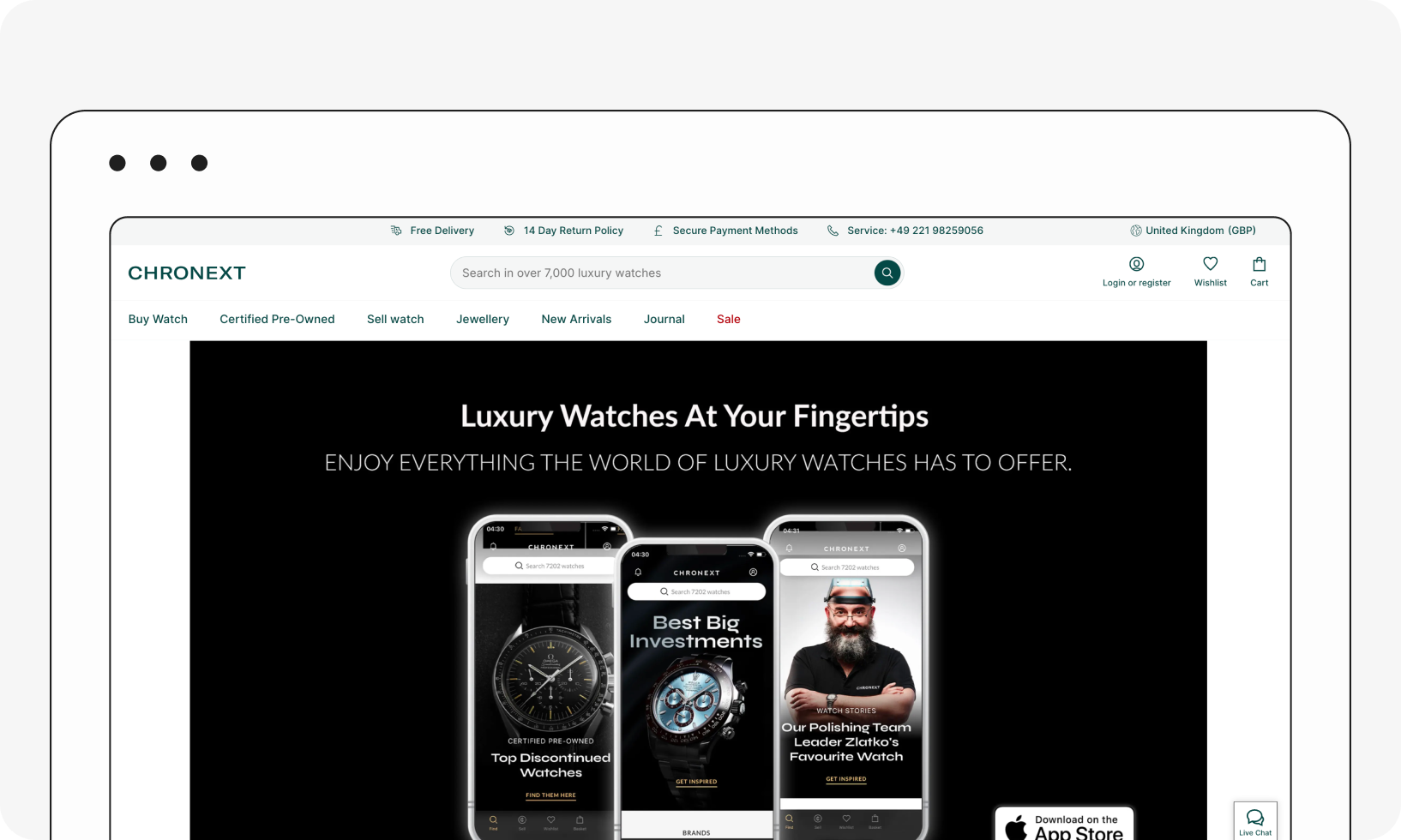
Chronext buys, sells, and trades luxury watches online, and after years of running purely on a web-based system, the team wanted an iOS app that felt just as polished as the website. The problem was their existing platform was never built for anything beyond the browser.
Using Storyblok as a configuration layer for the app, Chronext's marketing team can now update product pages, reorder navigation, and launch campaign content directly in the app without submitting a new build to the App Store every time something changes.
The results:
- The mobile app prototype went from concept to working build in 7 weeks
- Average session time jumped from 2 minutes on the website to 5 minutes in the app
- Content changes go live instantly, with no App Store resubmission required
3. Stronger
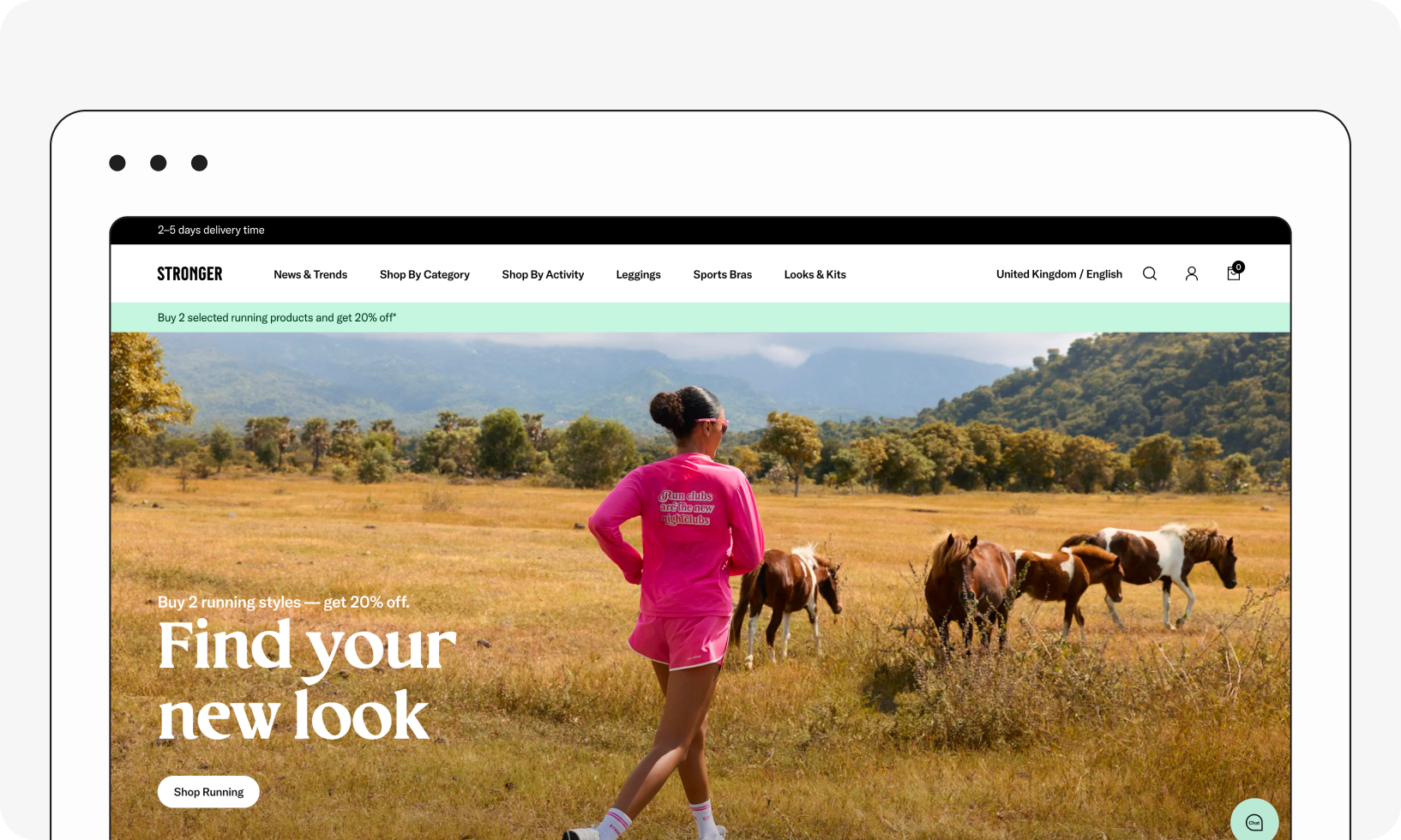
Stronger's headless website
Headquarters: Stockholm, Sweden | Stack: Nuxt.js, Centra, Klaviyo, Yotpo
Stronger makes women's activewear, and its old Magento setup was starting to hold the brand back right as it wanted to expand internationally. Only two developers maintained the backend, translated content had to be updated market by market, and the whole system felt more fragile than functional.
Working with the Swedish agency Made People, Stronger rebuilt on Storyblok connected to Centra for commerce, plus a stack of best-of-breed tools for reviews, email, and returns. The brand now runs one unified setup across 120 countries, 8 languages, and 7 currencies.
The results:
- Orders up 167%
- Total revenue up 172%
- Site traffic up 123%
- Mobile conversions up 14%
4. Paul Smith
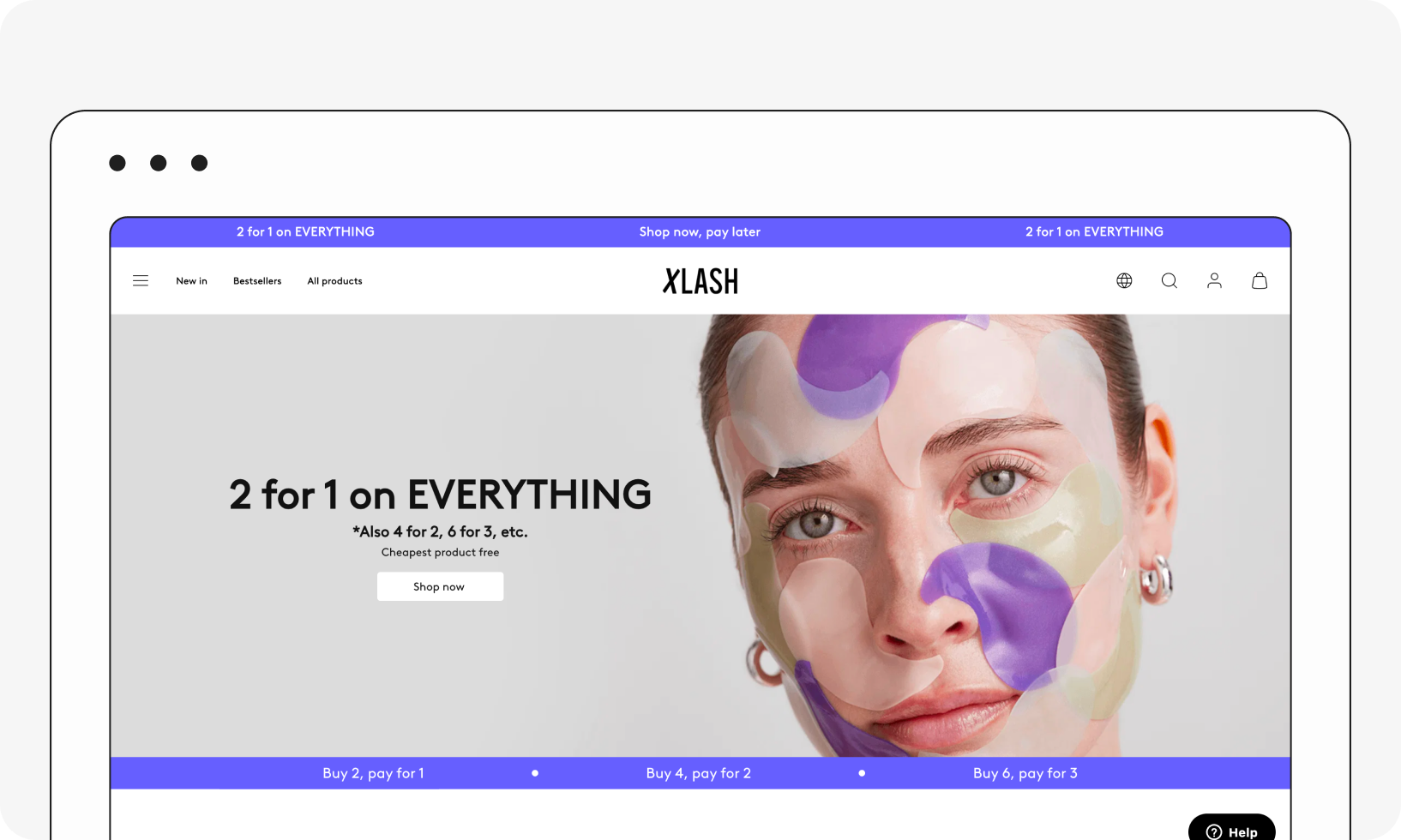
Xlash's headless commerce website
Headquarters: Nottingham, UK | Stack: Storyblok, Centra, Vue.js, Cloudinary, Klevu
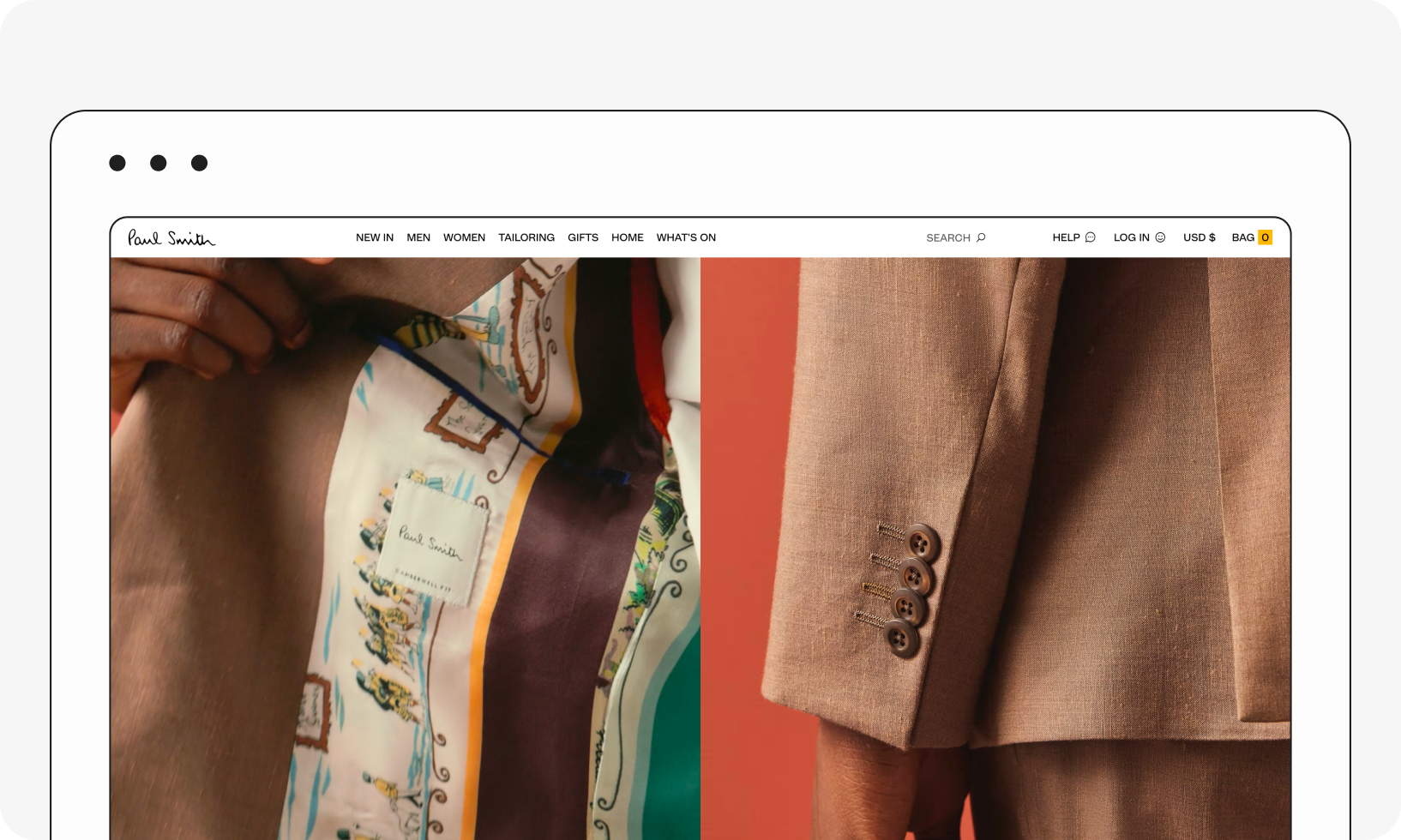
Paul Smith has been a fixture in British fashion since 1970, and its custom-built CMS was starting to show its age. Content and presentation were tightly coupled, which meant slow page loads, limited integrations, and a rigid template system that made it hard to recreate the feel of the brand's physical flagship stores online.
After comparing several platforms, Paul Smith and agency partner Limesharp chose Storyblok and built an 8-month project around it, pairing the CMS with Klevu for search, Cloudinary for image and video management, and Centra for commerce.
The results:
- Page load time cut by roughly 50%
- 0.8 seconds First Contentful Paint
- A 92 SEO score on Google Lighthouse
- 40% less time spent on image management, once Cloudinary automated SKU tagging
5. Xlash
Mindvalley's website
Headquarters: Stockholm, Sweden | Stack: Centra, Klaviyo, Klarna, Business Central
Xlash sells makeup and skincare, and it was managing 8 separate WordPress stores just to cover its various markets. None of them synced automatically with its ERP system, so stock levels were often wrong on the customer-facing side, and every update had to be repeated across all 8 logins.
Made People helped Xlash move to Storyblok connected to Centra, with a single dashboard for managing products, campaigns, and localized content across every market from one place.
The results:
- Onboarding to launch took 4 months
- Organic traffic nearly doubled within a month of going live
- 90% of visitors now come through mobile
- Xlash now runs in 120+ countries, 12 languages, and 7+ currencies
6. Bols
Claro's website
Headquarters: Amsterdam, The Netherlands | Stack: Next.js, Shopify Plus, AWS
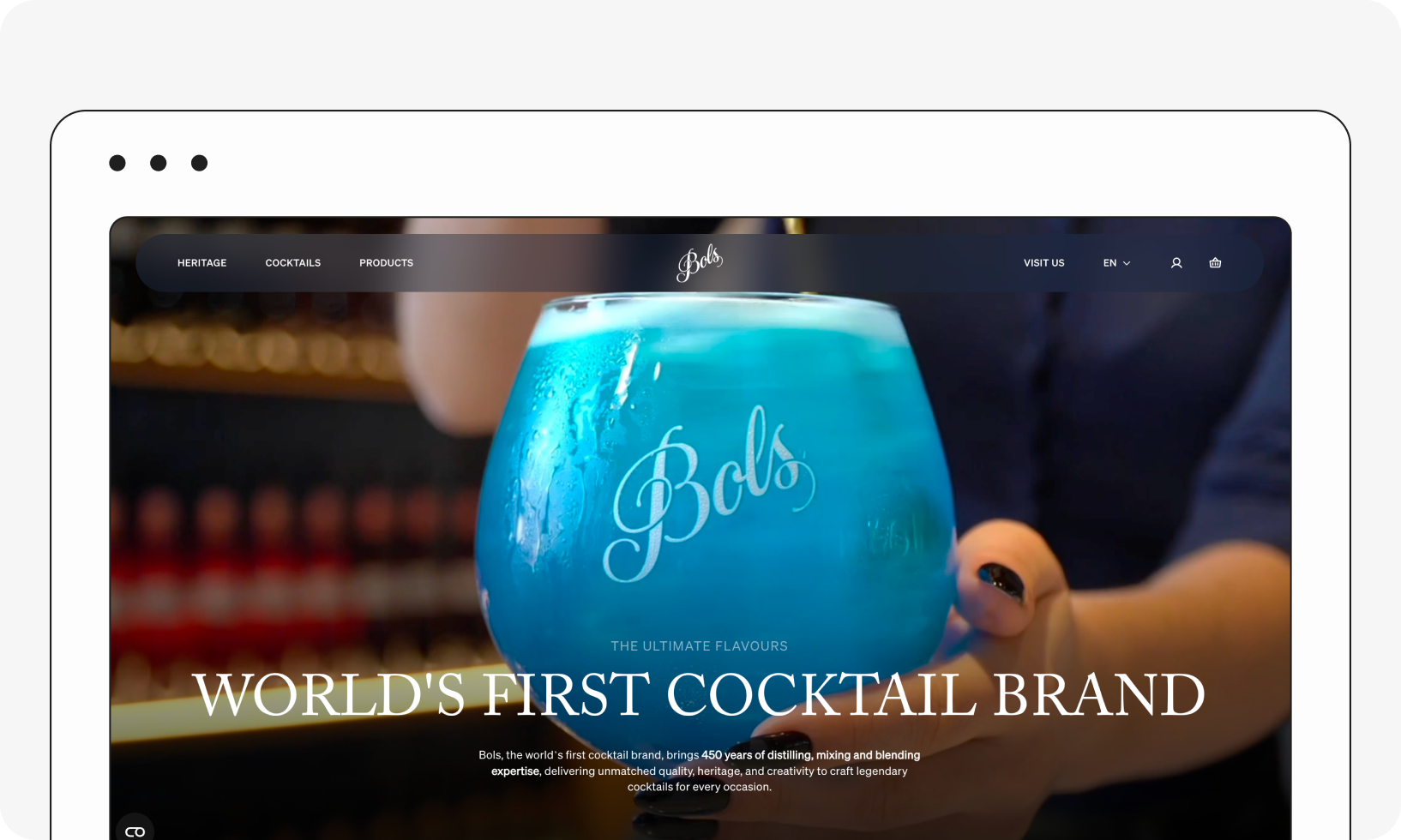
Bols is a Dutch spirits distiller, and when the pandemic hit, the company needed to pivot fast, from wholesale into direct-to-consumer sales in a brand new market: the US. Their existing custom CMS wasn't built for that kind of speed or independence.
Agency Story of AMS paired Storyblok with Shopify Plus, giving Bols a dynamic page builder for A/B testing and full control over campaign content, all hosted on AWS for speed and reliability.
The results:
- Went from zero to launch in the US market in 2 months
- Attracted 300,000+ new users at launch
- Sustained 200,000 to 300,000 monthly users afterward, with strong organic search rankings
Frequently asked questions (FAQs)
What is headless commerce?
It's an approach where the storefront (what shoppers see) is separated from the commerce and content systems (what runs behind the scenes), connected by APIs instead of being bundled into one platform.
How long does switching to headless commerce usually take?
It varies by scope. Xlash launched in 4 months, Bols in 2, and Chronext built a full mobile app prototype in 7 weeks. Larger consolidations, like Primo Brands merging 15 sites, naturally take longer.
Is headless commerce only worth it for large enterprises?
No. Smaller, fast-growing brands like Xlash and Stronger adopted it specifically because they needed to scale into new markets without hiring an army of developers.
What's the difference between a headless CMS and headless commerce?
A headless CMS manages content (text, images, layout) separately from the front end. Headless commerce applies that same separation to the shopping experience, connecting your CMS to a commerce engine like Centra, Shopify, or Adobe Commerce.